
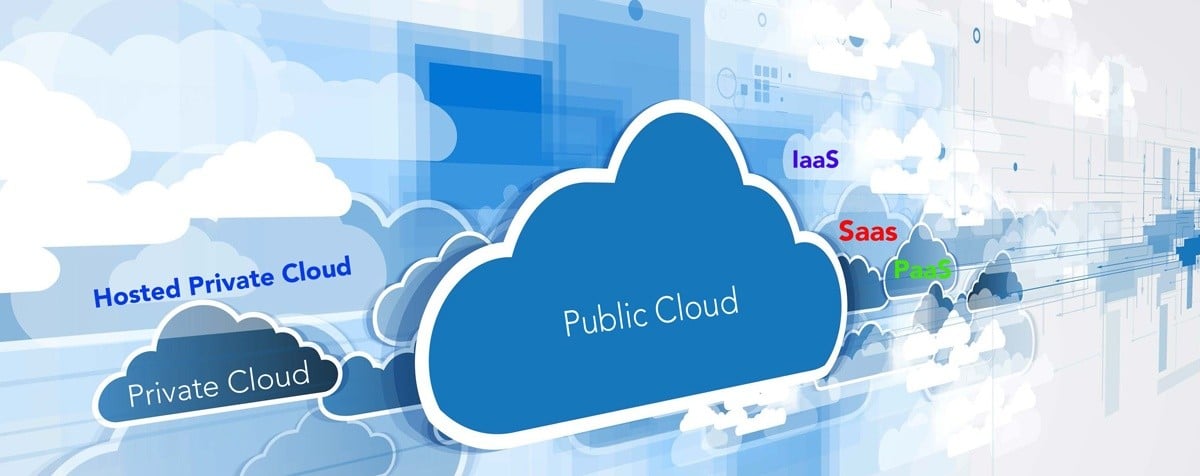
Organizations of all sizes and across all industries have realized that Digital Transformation (DX) is no longer optional. Cloud is the backbone of that transformation. According to an IDC study, 85% of cloud adopters use multiple types of cloud deployment, driven by:
-
Line-of-business (LOB), non-IT/CxO, developers, and DevOps teams
-
Client SaaS like Office 365 or virtual desktops
-
Market-dominant SaaS like Salesforce or Workday
-
Different stacks for different tasks (e.g., AWS for cloud-native, Azure for lift-and-shift)
-
Legacy infrastructure via hybrid or private cloud
-
Specialized stacks for IoT, AI/ML, and life sciences computing
-
Community or compliance-specific clouds like AWS GovCloud, GE Predix, or Athenahealth
But as teams scale development, containers, and microservices across a multi-cloud world, they inevitably hit a limit: the Cloud Tipping Point.
What Is the Cloud Tipping Point?
It’s the moment when the number of services, platforms, users, and tools outpace your team’s ability to manage them manually or with native cloud consoles. Here are signs that you’ve reached (or are approaching) the tipping point:
1. Delays in Application Resource Allocation
When developers are emailing requests for compute, storage, or networking access—and those requests end up in a backlog—it’s time to re-evaluate. Using native tools like the AWS Console or Azure Portal often requires cloud-specific expertise and increases turnaround time.
A unified cloud management platform centralizes provisioning, reduces bottlenecks, and helps DevOps teams deploy resources quickly across multiple clouds.
2. Growing Security Risk
Most teams struggle with the shared responsibility model and role-based access control across clouds. Misconfigurations and lack of visibility lead to compliance risks and open vulnerabilities.
Third-party tools like CloudCheckr and nOps can map IAM roles, monitor misconfigurations, and provide compliance automation aligned with HIPAA, PCI, NIST 800-53, and other frameworks. PTP’s SecOps team offers continuous monitoring to stay ahead of these gaps.
3. Application Performance Complaints
If users are complaining about performance, it could be due to over-provisioned or under-provisioned resources. The lack of visibility into how cloud resources are being consumed makes it difficult to troubleshoot.
Cloud management platforms provide dashboards and reporting that track resource allocation per application, service, or user. Many platforms also include auto-scaling and performance metrics that proactively adjust resources based on demand.
4. Unexpected Cloud Costs (a.k.a. Sticker Shock)
It’s easy for a developer to spin up a resource and forget to turn it off—until a surprise cloud bill hits the inbox. That surprise is even more painful in a multi-cloud environment where each provider handles billing differently.
Using a third-party cloud management solution can help implement FinOps best practices by providing:
-
Predictive billing
-
Real-time cost dashboards
-
Resource right-sizing recommendations
-
Insights into underused or dormant resources
PTP’s FinOps services are designed to optimize spend across AWS, Azure, and hybrid environments.
The Bottom Line
If your multi-cloud strategy is delivering more headaches than results, you’re likely at or beyond the tipping point. Whether you’re running scientific computing in AWS, managing hybrid workloads, or leading IT for a life sciences company, managing cloud complexity requires the right platform—and the right partner.
PTP can help you streamline cloud management, reduce manual workload, and ensure performance, cost, and security are always optimized.
Struggling to manage too many cloud tools across multiple platforms?
PTP simplifies multi-cloud management with unified visibility, automated cost controls, and compliance-ready security.