
CloudOps for Life Sciences: What It Is and Why It Matters
CloudOps is the foundation of scalable, secure, and efficient cloud environments for life sciences. From research pipelines to lab data storage, PTP helps biotech teams automate operations, optimize performance, and maintain high availability—without the burden of managing infrastructure.
Explore More:
What is CloudOps, and why is it important for life sciences companies?
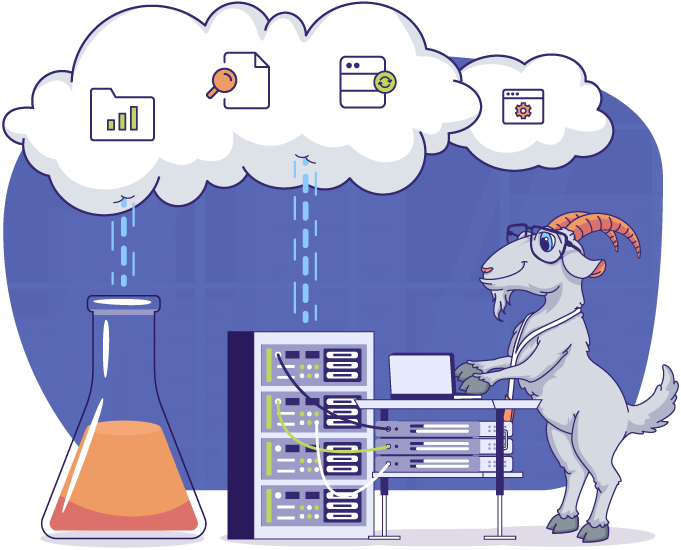
CloudOps is the practice of managing and optimizing cloud infrastructure to ensure reliability, scalability, and cost efficiency. For life sciences and biotech companies, CloudOps enables secure, uninterrupted access to research data and applications, allowing scientists to focus on discovery—not downtime.
How does CloudOps differ from traditional IT operations?
CloudOps replaces manual IT processes with automated, cloud-native tools. Unlike traditional IT, it supports faster scaling, real-time monitoring, and cost control—critical for biotech startups managing sensitive lab data and high-performance workloads.
What are the key components of CloudOps?
CloudOps includes cloud infrastructure management, automation, real-time monitoring, security controls, and cost optimization. These components work together to ensure high availability and performance in research-focused environments.
What are the benefits of CloudOps for biotech IT support?
CloudOps enhances operational efficiency, reduces downtime, and cuts costs. For biotech companies, it streamlines lab workflows, protects sensitive data, and scales with evolving research demands—all without requiring full-time IT hires.
How does PTP’s CloudOps support cloud readiness for biotech startups?
PTP provides a free cloud assessment to evaluate infrastructure, security, and spend. We identify gaps and align your environment with best practices—so you can migrate to the cloud with confidence and control.
How does CloudOps improve cloud security and compliance?
CloudOps enforces best practices like IAM controls, encryption, automated patching, and real-time threat detection. This is essential for maintaining HIPAA and GxP compliance in biotech and life sciences environments.
Can CloudOps support hybrid and multi-cloud environments?
Yes. PTP’s CloudOps team uses tools like Terraform, Aviatrix, and Control Tower to manage workloads across AWS and other providers. This ensures consistent policies, performance, and security—no matter the cloud mix.
How does automation enhance CloudOps performance?
Automation reduces manual errors and accelerates deployments. Infrastructure as Code, CI/CD pipelines, and monitoring tools help biotech teams operate securely and efficiently at scale, without constant human intervention.
How does CloudOps optimize AWS cost management?
PTP’s CloudOps team continuously monitors usage, rightsizes resources, and eliminates waste. We help biotech organizations align cloud spend with research goals—often revealing savings of 20–30% with no performance tradeoff.
What tools are commonly used in CloudOps?
Common CloudOps tools include Terraform, AWS CloudWatch, Ansible, Kubernetes, and GuardDuty. These tools automate infrastructure, monitor performance, and enforce security across cloud environments used in life sciences.
Why should biotech startups rely on PTP for CloudOps?
PTP is an AWS Premier Partner with the Life Sciences Competency. Our CloudOps experts understand research workflows and help you build secure, high-performing cloud environments—without hiring a full internal IT team.
Can CloudOps reduce downtime for clinical research environments?
Yes. With real-time monitoring, automated failover, and proactive alerts, CloudOps minimizes interruptions in lab systems and research applications—ensuring critical processes stay online when it matters most.
What is a cloud cost assessment, and how does it help?
A cloud cost assessment reviews your current AWS usage and identifies ways to optimize. PTP’s free assessment reveals overspending, underutilized services, and opportunities to boost performance without increasing cost.
How does CloudOps align with DevOps?
CloudOps complements DevOps by providing the infrastructure and automation DevOps teams rely on. While DevOps accelerates development, CloudOps ensures the cloud environment is secure, scalable, and cost-efficient.
Is CloudOps right for early-stage biotech companies?
Yes. CloudOps allows startups to scale research infrastructure quickly without heavy capital investment. With PTP, you gain on-demand expertise in cloud management, compliance, and automation—critical for growing life sciences teams.

Still have questions about CloudOps?
CloudOps is the key to optimizing cloud performance, security, and cost efficiency. Whether you’re managing multi-cloud environments, automating workflows, or improving scalability, understanding CloudOps can transform your IT operations.
Explore our expert insights, best practices, and FAQs to stay ahead in the ever-evolving cloud landscape.
Unlock the Power of CloudOps
Let’s chat about your CloudOps needs today. See how PTP can transform your business. Contact our team for a personalized strategy session today!